How do women with celiac disease navigate pregnancy while managing a lifelong gluten-free diet? And what kinds of support could help improve their experiences and well-being?
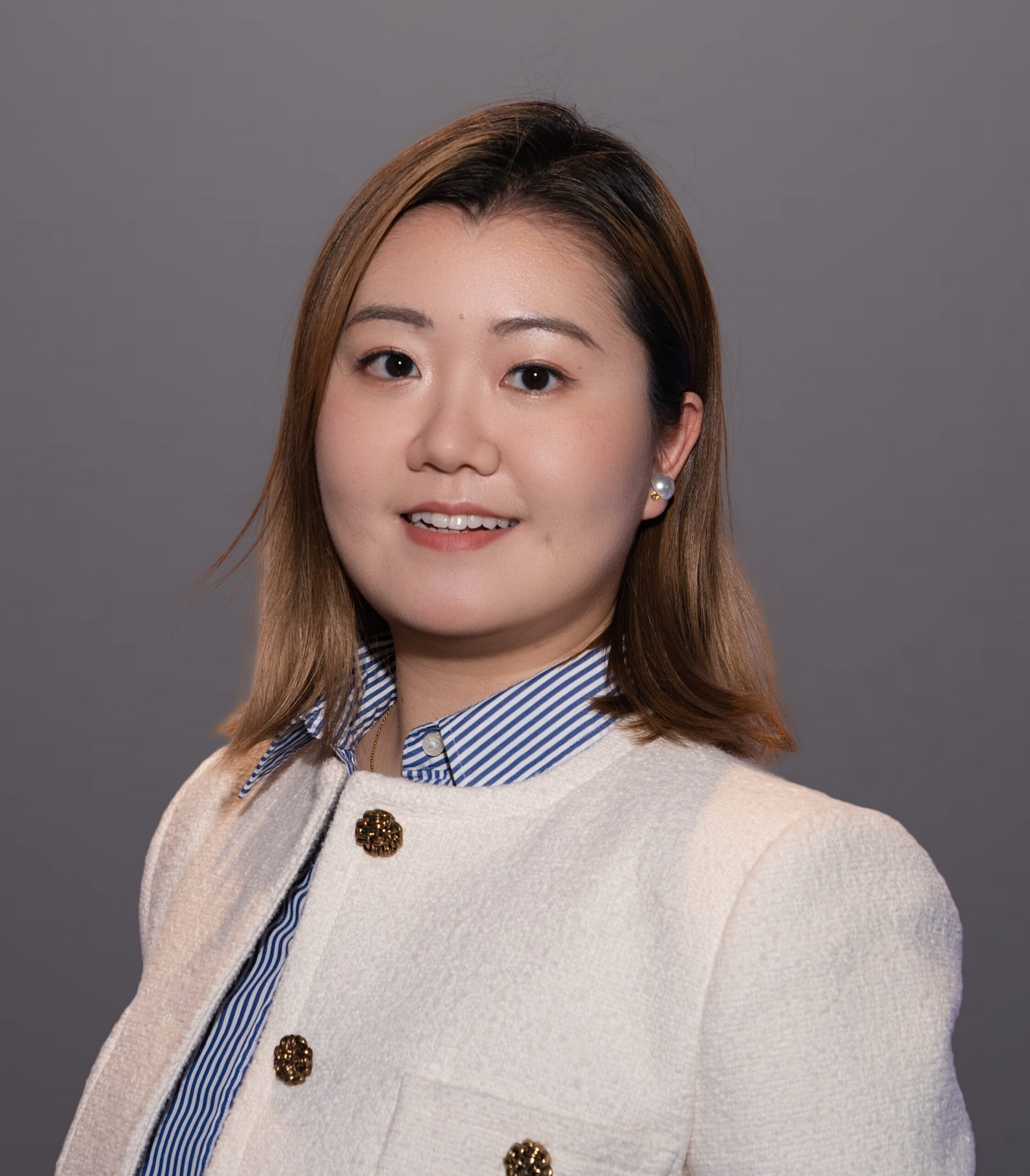 These are some of the questions Ya Gao, a doctoral student in the Behavioral Nutrition program at Teachers College, Columbia University, hopes to answer through her research as the latest recipient of the Celiac Disease Foundation–Jocelyn Silvester Rising Villus Student Research Award.
Pregnancy comes with many changes, from evolving nutritional needs to additional considerations for maternal and infant health. For women with celiac disease, these responsibilities are added on top of a lifelong, strict, gluten-free diet. While research has explored some of the clinical outcomes associated with celiac disease and pregnancy, less is known about women’s personal experiences, including the challenges they face and the support they need throughout pregnancy and postpartum.
Ya’s interest in this research grows from her passion for women’s health. When a family member experiencing difficulty becoming pregnant asked whether a gluten-free diet might help, Ya began exploring the relationship between celiac disease and reproductive health. As she looked into the existing research, she recognized an important gap: few studies had asked women directly about their experiences navigating celiac disease and pregnancy. This inspired her to pursue research that brings those experiences to the forefront.
Her study will explore the factors that make following a gluten-free diet easier or more challenging during pregnancy. This includes personal circumstances, relationships with family and others, community resources, and support from healthcare providers and organizations. By using both qualitative and quantitative data, the research will be able to examine gluten-free diet adherence and its relationship with maternal well-being. The study will also investigate plans for breastfeeding, the timing of gluten introduction to infants, and outcomes such as gestational age at delivery, birth weight, and birth length. Ya hopes to better understand how the realities of managing celiac disease during pregnancy may relate to the health and well-being of mothers and babies.
Ya emphasized the importance of looking beyond dietary management:
“A strict gluten-free diet for life can be very challenging and can impact quality of life. I want individuals and families affected by celiac disease to not only be able to manage a gluten-free diet, but also to maximize their social and emotional health too – especially at important stages of life such as pregnancy.”
Through this research, Ya hopes to help healthcare providers better understand the dietary and psychosocial challenges women with celiac disease may experience during pregnancy and postpartum. The findings may also inform future dietary guidelines, patient education, and interventions that better support women during this stage of life.
Through the Celiac Disease Foundation–Jocelyn Silvester Rising Villus Student Research Award, the Foundation supports emerging investigators who are advancing our understanding of celiac disease and exploring new opportunities to improve patient care. Learn more about this award here.