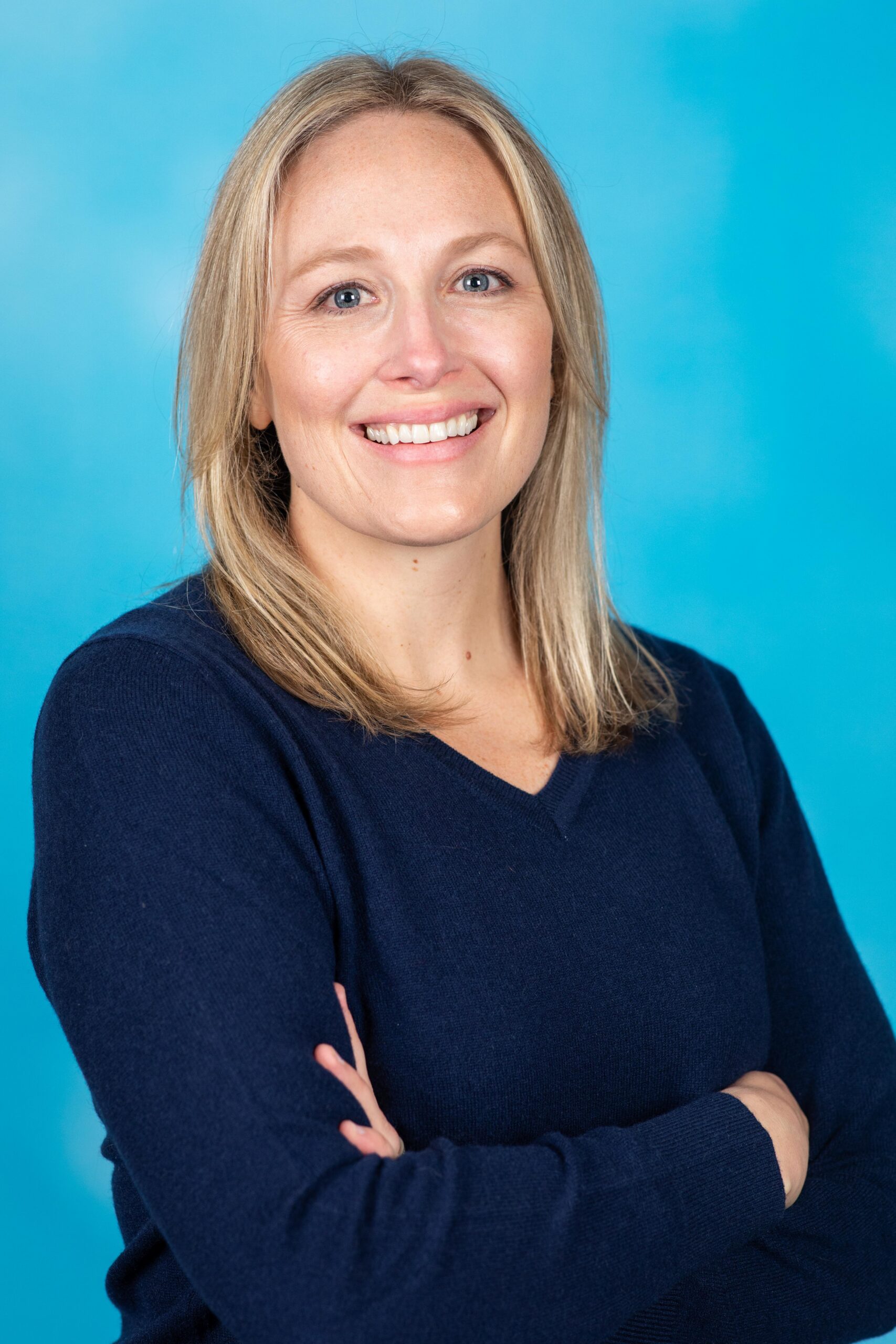
Meet 2025 Pilot Grant Recipient Monique Germone, PhD, BCBA
 Millions of people in the United States with celiac disease remain undiagnosed, leaving many children and families navigating unexplained symptoms and delayed care. As interest in early screening grows, researchers are asking an important question: what happens after a child screens positive for celiac disease but doesn’t yet have a confirmed diagnosis?
With support from the 2025 Celiac Disease Foundation / NASPGHAN Foundation Pilot Grant, pediatric psychologist Monique Germone, PhD, BCBA is studying the experiences of families during the critical moments after screening. While screening identifies possible disease, the path to diagnosis and care may still be unclear. This pilot grant, sponsored by the Foundation, is designed to support innovative research or education proposals focused on celiac disease management and the gluten-free diet.
Dr. Germone is a Pediatric Psychologist and Associate Professor at Children’s Hospital Colorado and the University of Colorado School of Medicine. Her research focuses on the period after a child screens positive for celiac disease but before a diagnosis is confirmed. By examining the follow-up process required to assess disease activity and gathering perspectives directly from caregivers, she aims to better understand barriers families face in accessing ongoing evaluation and care.
Through this work, Dr. Germone hopes to reduce diagnostic delays, strengthen screening-to-diagnosis pathways, and ensure families experience a coordinated and supportive transition from initial screening to appropriate clinical care.
We spoke with Dr. Germone about her background, her current research project, and how her work could improve the diagnostic journey for children and families affected by celiac disease. Continue reading for more information about her research.
Can you tell us a bit about yourself and your background in celiac disease research? What drew you to the field of celiac disease research?
I am a pediatric psychologist, but just as importantly, I care for a family member with a gluten-related disorder. My personal experience led me to the Colorado Center for Celiac Disease at Children’s Hospital Colorado in 2014, where I joined a team dedicated to supporting children with celiac disease and their families. Over the years, I have had the privilege of working with thousands of children and caregivers, learning firsthand how celiac disease affects daily life and the entire family system. My goal is to honor and amplify what families share with me by translating their experiences into clinical care and research that improves understanding, support, and outcomes for the celiac disease community.
Can you share an overview of your current research project? What question or challenge are you setting out to address?
Many people with celiac disease go undiagnosed, even though early identification could improve health and quality of life. As interest in screening children for celiac disease grows, this project focuses on what happens after a child receives a positive screening result. By learning directly from caregivers, the research seeks to understand the challenges families face in accessing follow-up care and to help ensure that screening programs provide clear guidance, timely support, and a smoother path to diagnosis and care.
What is innovative/important about your research?
This project is innovative because it focuses on what happens after a child screens positive for celiac disease – a step that hasn’t received much attention. By listening directly to caregivers, the research aims to improve how screening programs support families, reduce delays in diagnosis, and ensure early identification leads to better care and quality of life for children with celiac disease.
Do you have an analogy to help people understand your work?
Screening can identify children at risk for celiac disease early, but it’s only the first step. By learning from families’ experiences, we can build screening programs that truly support children and caregivers from the first result to ongoing care.
What is the potential impact of your research on celiac disease understanding, treatment, and patient quality of life?
This research has the potential to strengthen how celiac disease is identified and managed by focusing on the real-world experiences of children and families after screening. By understanding the barriers families face in accessing follow-up testing and care, the findings can help improve screening programs so that a positive result reliably leads to timely diagnosis and appropriate treatment.
In the long term, this work may contribute to earlier identification of celiac disease, better coordination between screening and clinical care, and more family-centered support at the time of diagnosis. These improvements can reduce delays in treatment, lessen stress and uncertainty for families, and ultimately improve quality of life for children living with celiac disease.
What message would you like to convey to individuals and families affected by celiac disease?
The experiences of individuals and families affected by celiac disease matter, and early screening alone is not enough. By listening directly to families, this work recognizes the emotional, practical, and healthcare challenges that can arise after a positive screening result and seeks to ensure families are not left to navigate the process alone. Ultimately, the project reflects a commitment to making celiac disease screening and care more supportive, accessible, and family-centered, so that children and families receive clear guidance, timely care, and the resources they need to thrive.