A strict gluten-free diet is the only treatment for celiac disease, but new research shows that even with careful adherence, life with celiac disease can come with hidden challenges. A recent study published in the Journal of Clinical Gastroenterology analyzed data from participants in the All of Us research program to better understand how celiac disease affects daily life.
The researchers found that people with celiac disease reported higher rates of severe fatigue, greater functional limitations, and more frequent specialist visits compared to individuals without celiac disease. Participants also reported lower overall perceptions of their health and more difficulty with everyday activities. Perhaps most concerning were findings related to healthcare interactions. Individuals with celiac disease had higher frequency of specialist visits, but were more likely to feel dismissed or unheard by their healthcare providers.
Interestingly, participants with celiac disease were more likely to hold advanced degrees and were disproportionately represented in middle- and upper-income brackets. While this may reflect greater access to care or health awareness, it also points to potential diagnostic disparities: communities from marginalized racial, socioeconomic, or geographic backgrounds may face barriers to testing, specialist care, or education about about celiac disease, leading to more missed diagnoses.
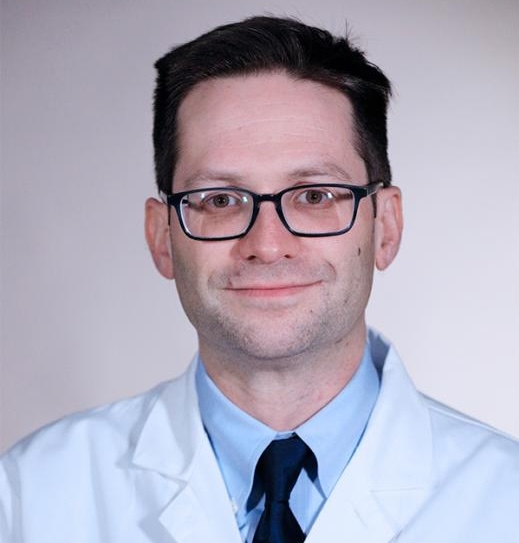 “Analyzing these data, I was left with the impression that navigating our healthcare system often remains a fraught experience for people with celiac disease, even among those who are highly educated and of a higher socioeconomic status,” said Dr. Benjamin Lebwohl, past president of the Society for the Study of Celiac Disease, and the Director of Clinical Research at the Celiac Disease Center at Columbia University. “This speaks to the need to educate our healthcare workforce regarding the unique challenges that people with celiac disease face.”
This study quantifies the burden of celiac disease on a national scale and highlights areas where healthcare and support can improve. At the Celiac Disease Foundation, we believe research like this underscores why advocacy, education, and investment in better diagnostics and treatments are so essential. In partnership with the Foundation’s Scientific Advisory Council, the Society for the Study of Celiac Disease (SSCD), we are working to address these gaps through research grants, training programs, and professional development opportunities for healthcare providers specializing in celiac disease. For example, Dr. Benjamin Lebwohl is a recipient of the Foundation’s Young Investigator Award, which supports emerging leaders in celiac disease and has helped advance important research that directly impacts patients. By supporting these efforts, the Foundation aims to improve how patients are diagnosed, treated, and supported to ensure that everyone with celiac disease receives the expert care they deserve.