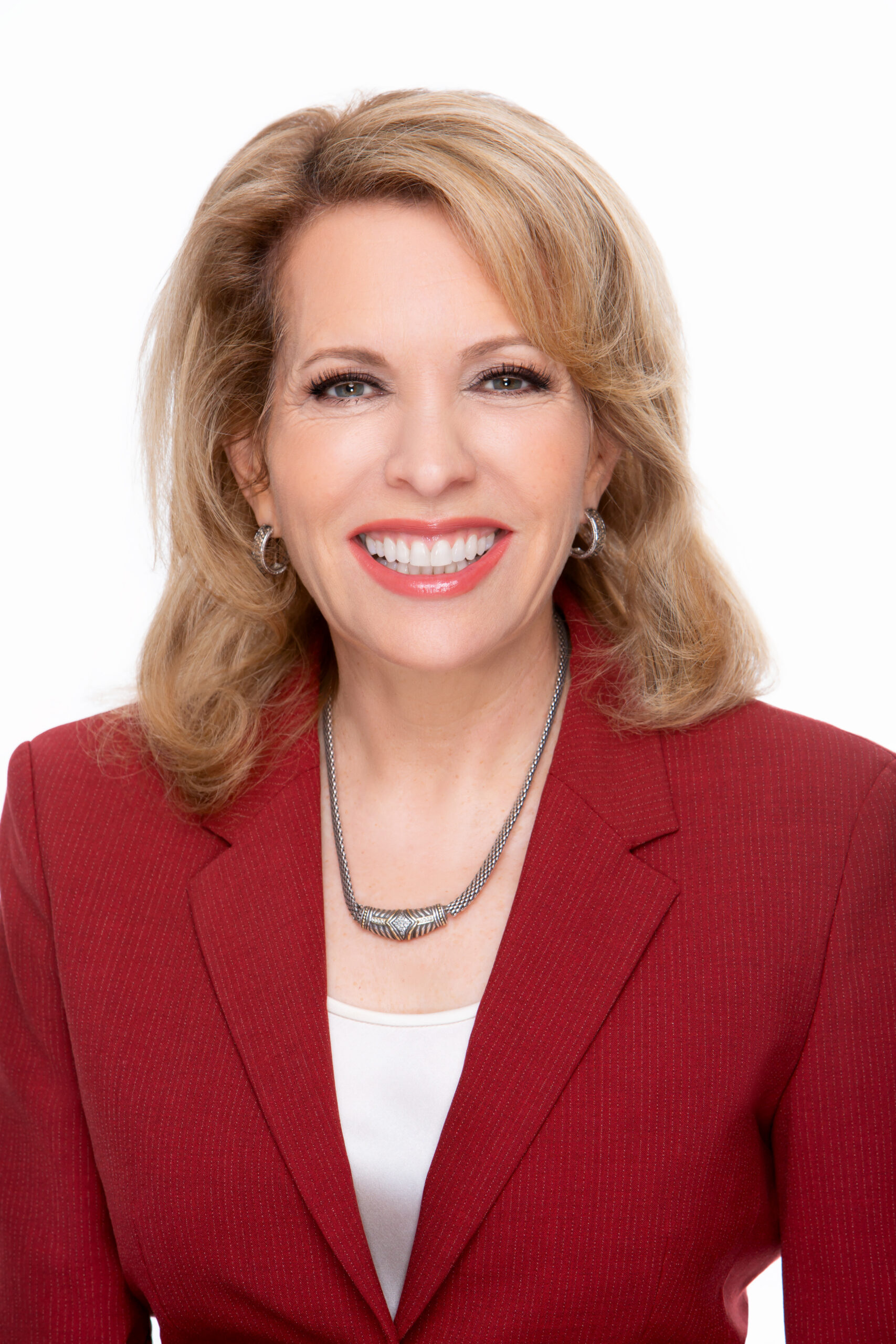
 Fourteen years ago, Celiac Disease Foundation CEO Marilyn Geller said yes.
At the time, it wasn’t a career move she had planned. It was a deeply personal moment, one that began when her son was diagnosed with celiac disease. Like so many parents, Marilyn suddenly found herself navigating confusing symptoms, limited answers, and a healthcare system that still struggled to recognize and diagnose this serious chronic autoimmune disease.
She was already a member of the Celiac Disease Foundation’s Board of Directors, volunteering her time because she believed people with celiac disease deserved better: better awareness, better care, and better science.
Then the Foundation’s founder, Elaine Monarch, retired. The Board asked Marilyn to step in as CEO. She said yes.
That single yes marked the beginning of a transformative chapter, not just for Marilyn, but for the global celiac community. Over the next 14 years, under Marilyn’s leadership, the Celiac Disease Foundation grew into a globally recognized force driving progress across every pillar of impact. The Foundation became a leader in advocacy, pushing for critical policies like gluten-free food labeling, school protections, and federal recognition of celiac disease as a serious public health issue. It expanded education efforts for patients, families, schools, and healthcare providers, helping close the knowledge gaps that delay diagnosis and jeopardize safety.
Just as importantly, the Foundation helped reshape the research landscape by funding early-career investigators, convening international scientific experts, mobilizing patients for clinical trials, and accelerating the global path toward new diagnostics and treatments. For a disease with only one treatment, a lifelong, strict gluten-free diet, this work has been nothing short of essential.
And then, years later, Marilyn said yes again. She chose to participate in a clinical trial studying a new diagnostic approach for celiac disease based on IL-2, a cytokine released by the immune system in response to gluten exposure. Unlike traditional testing, which relies on antibodies or invasive intestinal biopsies, this emerging IL-2–based test aims to directly measure the body’s immune response to gluten at a cellular level.
Why does that matter? Because current diagnostic tools can miss cases, especially in people who are already eating gluten-free, who have non-classical symptoms, or who fall into diagnostic gray areas like Marilyn did. The IL-2 test has the potential to transform how celiac disease is diagnosed by offering a faster, more precise, and less burdensome way to identify the disease and by opening the door to earlier detection and broader screening.
And through that very study, designed to advance the future of diagnosis, Marilyn learned something unexpected. She herself has celiac disease. After more than a decade advocating for patients, advancing research, supporting clinical trials, and pushing for better diagnostics, the science came full circle. The disease she had worked tirelessly to address was a part of her own story all along.
It’s a powerful reminder that advocacy and science are deeply personal and often more intertwined than we realize. This story isn’t about coincidence. It’s about what happens when people say yes:
Yes to stepping up
Yes to leadership
Yes to science
Yes, to moving progress forward, even when the outcome is unknown
Sometimes the yes you say today doesn’t make sense until years later. But when you look back, you can see it clearly how one yes can lead to breakthroughs, global impact, and a future that looks very different than the past. And sometimes, that yes doesn’t just change the world. It changes you, too.
You don’t have to be a scientist or a CEO to help move celiac disease research forward. Clinical trials depend on patients, families, and volunteers who are willing to say yes: yes to learning, yes to participating, and yes to advancing science for the next generation.
By getting involved in clinical research, you can help accelerate better diagnostics, treatments, and ultimately a cure for celiac disease. If you’ve ever wondered whether saying yes could make a difference, this is your moment.
Learn more about celiac disease clinical trials and find opportunities to participate at
www.celiac.org/clinicaltrials