Sources of Gluten
There are many food items that may contain gluten, often in hidden or unexpected ways. Always read the label of any food product you buy if “gluten-free” is not specified on the label.
Gluten-Containing Grains and Their Derivatives
- Wheat
- Varieties and derivatives of wheat such as:
- wheatberries
- durum
- emmer
- semolina
- spelt
- farina
- farro
- graham
- KAMUT® khorasan wheat
- einkorn wheat
- Rye
- Barley
- Triticale
- Malt in various forms including: malted barley flour, malted milk or milkshakes, malt extract, malt syrup, malt flavoring, malt vinegar
- Brewer’s Yeast
- Wheat Starch that has not been processed to remove the presence of gluten to below 20ppm and adhere to the FDA Labeling Law

Common Foods That Contain Gluten
- Pastas:
- raviolis, dumplings, couscous, and gnocchi
- Noodles:
- ramen, udon, soba (those made with only a percentage of buckwheat flour) chow mein, and egg noodles. (Note: rice noodles and mung bean noodles are gluten free)
- Breads and Pastries:
- croissants, pita, naan, bagels, flatbreads, cornbread, potato bread, muffins, donuts, rolls
- Crackers:
- pretzels, goldfish, graham crackers
- Baked Goods:
- cakes, cookies, pie crusts, brownies
- Cereal & Granola:
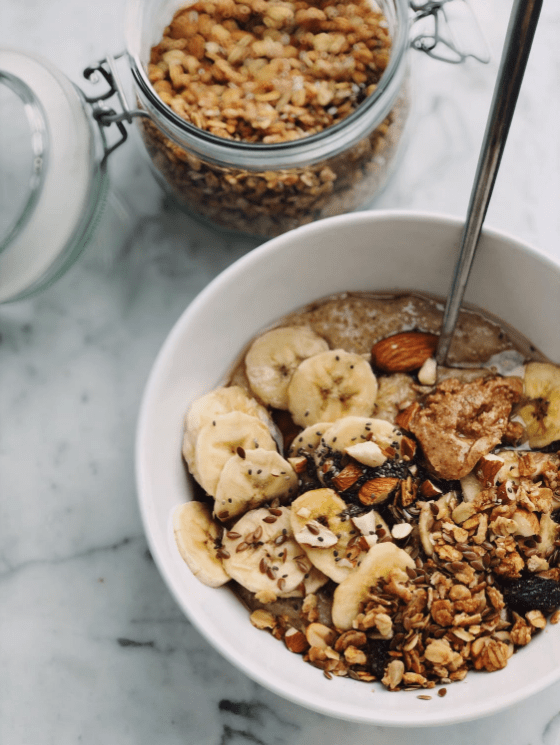
- corn flakes and rice puffs often contain malt extract/flavoring, granola often made with regular oats, not gluten-free oats
- Breakfast Foods:
- pancakes, waffles, french toast, crepes, and biscuits.
- Breading & Coating Mixes:
- panko breadcrumbs
- Croutons:
- stuffings, dressings
- Sauces & Gravies (many use wheat flour as a thickener)
- traditional soy sauce, cream sauces made with a roux
- Flour tortillas
- Beer (unless explicitly gluten-free) and any malt beverages (see “Distilled Beverages and Vinegars” below for more information on alcoholic beverages)
- Brewer’s Yeast
- Anything else that uses “wheat flour” as an ingredient
Foods That May Contain Gluten
These foods must be verified by reading the label or checking with the manufacturer/kitchen staff.
- Energy bars/granola bars – some bars may contain wheat as an ingredient, and most use oats that are not gluten-free
- French fries – be careful of batter containing wheat flour or cross-contact from fryers
- Potato chips – some potato chip seasonings may contain malt vinegar or wheat starch
- Processed lunch meats
- Candy and candy bars
- Soup – pay special attention to cream-based soups, which have flour as a thickener. Many soups also contain barley
- Multi-grain or “artisan” tortilla chips or tortillas that are not entirely corn-based may contain a wheat-based ingredient
- Salad dressings and marinades – may contain malt vinegar, soy sauce, flour
- Starch or dextrin if found on a meat or poultry product could be from any grain, including wheat
- Brown rice syrup – may be made with barley enzymes
- Meat substitutes made with seitan (wheat gluten) such as vegetarian burgers, vegetarian sausage, imitation bacon, imitation seafood (Note: tofu is gluten-free, but be cautious of soy sauce marinades and cross-contact when eating out, especially when the tofu is fried)
- Soy sauce (though tamari made without wheat is gluten-free)
- Self-basting poultry
- Pre-seasoned meats
- Cheesecake filling – some recipes include wheat flour
- Eggs served at restaurants – some restaurants put pancake batter in their scrambled eggs and omelets, but on their own, eggs are naturally gluten-free
Other Items That Must Be Verified By Reading The Label Or Checking With The Manufacturer
- Lipstick, lipgloss, lip balm, or other cosmetic used near the mouth because they may be unintentionally ingested
- Oral care and dental products (Learn about Oral Health)
- Communion wafers
- Herbal or nutritional supplements
- Drugs and over-the-counter medications (Learn about Gluten in Medication)
- Vitamins and supplements (Learn about Vitamins and Supplements)
- Play-doh: children may touch their mouths or eat after handling wheat-based play-doh. For a safer alternative, make homemade play-dough with gluten-free flour.
Label Reading
Products labeled wheat-free are not necessarily gluten-free. They may still contain spelt (a form of wheat), rye, or barley-based ingredients that are not gluten-free. To confirm if something is gluten-free, be sure to refer to the product’s ingredient list.
Cross Contact
When preparing gluten-free foods, it is important to avoid cross contact. Cross-contact occurs when foods or ingredients come into contact with gluten, generally through shared utensils or a shared cooking/storage environment. In order for food to be safe for someone with celiac disease, it must not come into contact with food containing gluten.
Places where cross contact can occur:
- Toasters used for both gluten-free and regular bread
- Colanders
- Cutting boards
- Flour sifters
- Fried foods cooked in oil shared with breaded products
- Shared containers including improperly washed containers
- Foods purchased from bulk bins at grocery stores or co-ops
- Condiments such as butter, peanut butter, jam, mustard, and mayonnaise may become contaminated when utensils used on gluten-containing food are double-dipped
Easily contaminated foods:
- Oats: Look for oats that are specifically labeled gluten-free.
- Pizza: Pizzerias that offer gluten-free crusts sometimes do not control for cross-contact with their wheat-based doughs.
- Non-certified baked goods (e.g., “gluten-free” goods from otherwise gluten-containing bakeries)
If In Doubt, Go Without!
When unable to verify ingredients for a food item or if the ingredient list is unavailable do not eat it. Adopting a strict gluten-free diet is the only known treatment for those with celiac disease.